 Radiant Healthy Living
Postmenopause: What It Is, When It Starts, When It Ends, and What Women Should Know
Postmenopause is the stage of life that comes after menopause. It is a natural part of aging, but many women are not fully prepared for what it means. Most con…
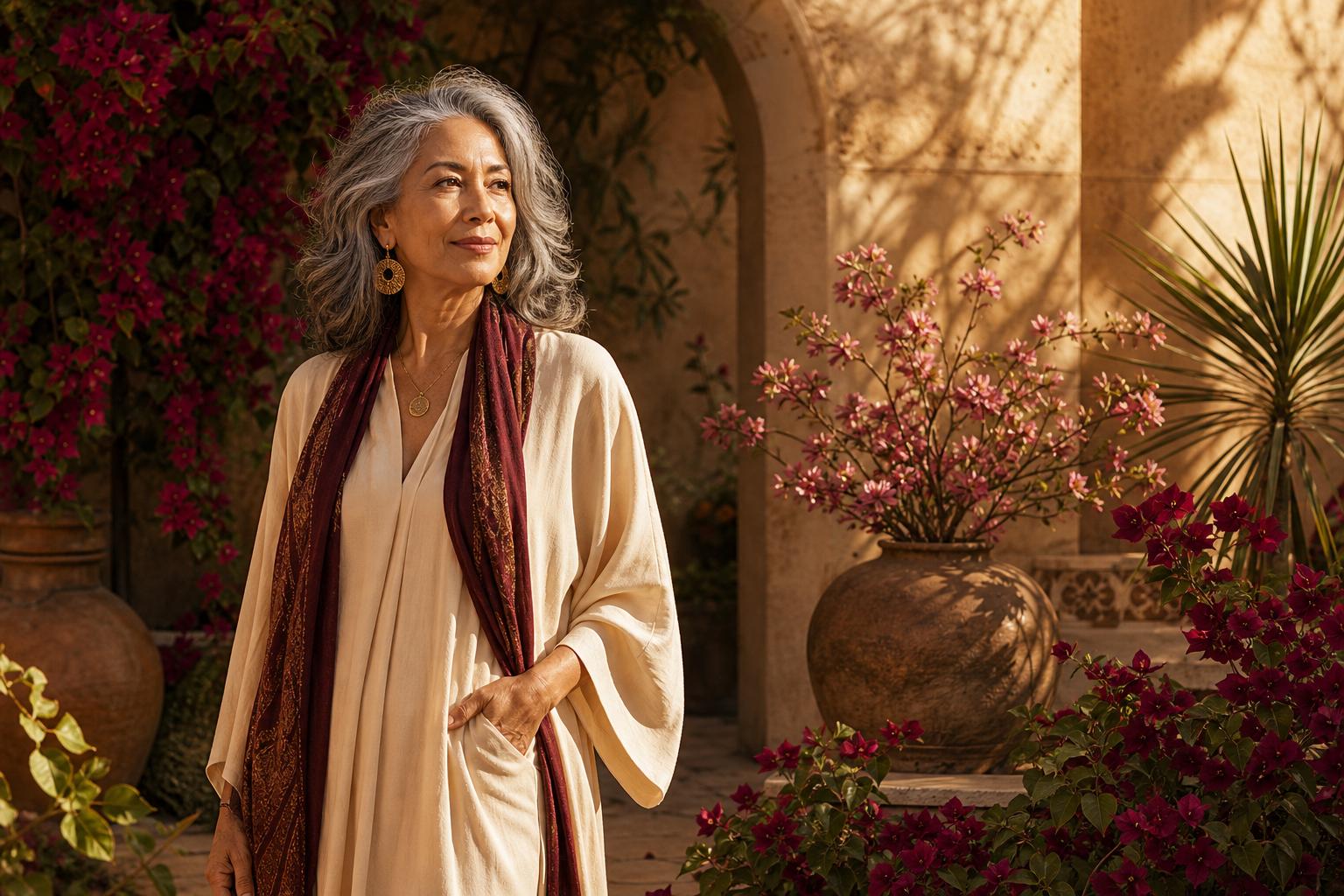
Postmenopause is the stage of life that comes after menopause. It is a natural part of aging, but many women are not fully prepared for what it means. Most conversations focus on menopause itself, especially hot flashes, missed periods, and mood changes. But postmenopause is the longest stage of the menopause journey, and it deserves just as much attention.
Postmenopause begins after a woman has gone 12 consecutive months without a menstrual period. Once that full year has passed, menopause is considered complete, and the postmenopausal stage begins. For many women in the United States, this happens around age 51 or 52, though it can happen earlier or later.
Mayo Clinic explains that menopause is diagnosed after 12 months without a menstrual period and that the average age in the United States is 51. Cleveland Clinic notes that menopause happens, on average, around age 52.
Unlike perimenopause, which may last several years, postmenopause does not have a set ending age.
Postmenopause lasts for the rest of a woman’s life. Cleveland Clinic describes postmenopause as the time after 12 months without a period and states that it lasts for the rest of life. This means a woman may enter postmenopause in her early 50s and remain in this stage through her 60s, 70s, 80s, 90s, and beyond.
What Is Postmenopause?
Postmenopause is the stage after menopause is complete. At this point, menstrual periods have permanently stopped, and the ovaries are producing much lower levels of estrogen and progesterone.
These hormone changes can affect the body in many ways, including bone strength, heart health, vaginal comfort, skin, sleep, mood, and metabolism.
Many women think postmenopause means all menopause symptoms instantly disappear, but that is not always the case. For some women, hot flashes and night sweats become milder or go away. Others may continue to have symptoms for years. Vaginal dryness, urinary changes, sleep issues, and changes in libido can also continue or become more noticeable after menopause.
Postmenopause is not an illness. It is a normal life stage. However, it is a stage where women should become more intentional about health, prevention, and self-care. Because estrogen levels are lower, the body may need extra support in areas such as bones, heart health, muscle, weight management, and sexual wellness.
What Age Does Postmenopause Start?
Postmenopause starts after menopause is confirmed. Menopause is confirmed when a woman has gone 12 months in a row without a period. Since the average age of menopause is around 51 or 52, many women enter postmenopause around age 52 or 53.
Most women reach menopause somewhere between ages 45 and 55. That means postmenopause often begins sometime in the late 40s to mid-50s, depending on when a woman has her final period. University of Utah Health notes that postmenopause begins once someone has officially reached menopause, 12 months after the last period, and that most women reach this milestone between ages 45 and 55.
Some women enter postmenopause earlier. If menopause happens before age 40, it is often called premature menopause. If it happens between ages 40 and 45, it is often called early menopause. This can happen naturally or because of medical treatments, surgery, chemotherapy, radiation, or certain health conditions.
Other women may enter postmenopause later, especially if they continue having periods into their mid or late 50s. Every woman’s timeline is slightly different, and family history, health, smoking, medical treatments, and genetics can all play a role.
What Age Does Postmenopause End?
Postmenopause does not end at a certain age. It lasts for the rest of life.
This is an important point because many people think of menopause as a temporary phase that starts and stops. Technically, menopause is a point in time. Perimenopause is the transition before it. Postmenopause is everything after it. So if a woman reaches menopause at age 51 or 52, she is considered postmenopausal from that point forward.
Symptoms may change over time. Some may fade. Some may continue. Some health concerns may become more important with age. But the postmenopausal stage itself does not have an ending age.
Common Symptoms During Postmenopause
Postmenopause can feel different for every woman. Some women feel better after menopause because the hormonal ups and downs of perimenopause settle. Periods are over, cycle-related mood swings may improve, and hot flashes may become less intense.
For others, symptoms continue. Hot flashes and night sweats may still happen. Sleep may still be disrupted.
Mood changes, anxiety, or irritability may continue, especially if sleep is poor or life stress is high.
Vaginal dryness is one of the most common postmenopausal symptoms. Because estrogen helps keep vaginal tissue moist and elastic, lower estrogen can lead to dryness, irritation, itching, burning, or pain during sex. Some women may also notice more urinary symptoms, such as urgency, leaking, or more frequent urinary tract infections.
Skin and hair changes may also become more noticeable. Lower estrogen can affect collagen, hydration, and elasticity, which may lead to drier skin or thinner hair. Metabolism may shift too, making weight management feel different than it did before.
Brain fog or memory changes may also concern some women. While occasional forgetfulness can happen with age, sleep disruption, stress, hormone changes, and lifestyle factors can all influence mental clarity.
Why Postmenopause Affects Long-Term Health
Postmenopause is not only about symptoms. It is also about long-term health. Lower estrogen levels can affect several important body systems.
Bone health is one of the biggest concerns. Estrogen helps protect bone density. After menopause, bone loss can happen more quickly, which may increase the risk of osteoporosis and fractures. This is why calcium, vitamin D, strength training, walking, balance exercises, and bone density screenings may become more important.
Heart health also deserves attention. Before menopause, estrogen may have a protective effect on blood vessels and cholesterol. After menopause, women may become more vulnerable to high blood pressure, cholesterol changes, and heart disease. Healthy eating, regular exercise, blood pressure checks, cholesterol screenings, and not smoking can all support heart health.
Muscle health is another key area. As women age, muscle mass naturally declines, but strength training can help preserve muscle, support metabolism, protect bones, and improve balance. This can be especially helpful in postmenopause.
Vaginal and urinary health should not be ignored either. Discomfort, dryness, painful sex, or urinary symptoms are common, but they are not something women simply have to accept. Treatments are available, including vaginal moisturizers, lubricants, vaginal estrogen, and other medical options.
When Should a Woman See a Doctor?
A woman should talk to a healthcare provider if postmenopausal symptoms are affecting her quality of life.
Hot flashes, night sweats, sleep trouble, mood changes, vaginal dryness, painful sex, or urinary problems can often be treated.
One symptom that should always be checked is bleeding after menopause. Once a woman has gone 12 months without a period, any new vaginal bleeding, spotting, or staining should be discussed with a healthcare provider. It may be caused by something minor, but it should always be evaluated.
A woman should also ask about screenings and preventive care during postmenopause. This may include bone density testing, mammograms, pelvic exams, cholesterol checks, blood pressure monitoring, diabetes screening, and heart health evaluation.
Managing Life After Menopause
Postmenopause can be a powerful time to rebuild health from the inside out. The body may need different support than it did in earlier decades, but that does not mean vitality is gone. Many women feel more confident, grounded, and focused during this stage.
Exercise is one of the best tools for postmenopausal health. Strength training helps support muscles and bones. Walking supports heart health, mood, and circulation. Stretching and mobility work can help with stiffness. Balance exercises may reduce fall risk as women age.
Nutrition also matters. A postmenopausal diet should support heart, bone, gut, and metabolic health. This often means enough protein, fiber-rich foods, fruits, vegetables, whole grains, healthy fats, and calcium-rich foods. Staying hydrated and limiting excess sugar, alcohol, and highly processed foods may also help.
Sleep should be protected too. Poor sleep can affect weight, mood, memory, cravings, and energy. A cool bedroom, consistent sleep schedule, calming nighttime routine, and treatment for night sweats may improve rest.
Stress management is another important part of postmenopause. Chronic stress can affect blood pressure, sleep, mood, digestion, and eating habits. Prayer, journaling, walking, therapy, meditation, breathing exercises, hobbies, and meaningful connection can all support emotional balance.
Treatment Options for Postmenopausal Symptoms
Treatment depends on symptoms, age, health history, and personal preference. Some women may benefit from hormone therapy, especially if symptoms are severe and they are within the appropriate treatment window. Others may need non-hormonal medications or lifestyle-based support.
For vaginal dryness and painful sex, local treatments may be very helpful. These may include vaginal moisturizers, lubricants, vaginal estrogen, or other prescription options. These treatments can make a major difference in comfort and quality of life.
For bone health, a provider may recommend calcium, vitamin D, exercise, bone density testing, or medication if osteoporosis risk is high. For heart health, treatment may include lifestyle changes or medication for blood pressure, cholesterol, or blood sugar.
The best approach is personalized. What works for one woman may not be right for another.
The Emotional Side of Postmenopause
Postmenopause can bring emotional changes too. Some women feel grief over aging or the end of fertility.
Others feel relief and freedom. Some feel both at the same time.
This stage can also bring a new sense of clarity. Many women begin asking deeper questions: What do I want my next chapter to look like? How do I want to care for myself? What habits do I need to release? What dreams still matter to me?
Postmenopause is not the end of femininity, beauty, or purpose. It is a new chapter. A woman’s body may be changing, but her wisdom, strength, creativity, and value remain fully alive.
Final Thoughts
Postmenopause begins after a woman has gone 12 consecutive months without a menstrual period. For many women, this starts around age 52 or 53, though it may begin earlier or later depending on when menopause happens. Most women reach menopause between ages 45 and 55, and postmenopause begins after that milestone. Postmenopause does not end at a certain age. It lasts for the rest of life.
This stage may bring relief from irregular periods and hormonal swings, but it can also bring new health considerations. Hot flashes, sleep changes, vaginal dryness, urinary symptoms, bone loss, and heart health risks may need attention. With healthy habits, regular medical care, and the right treatments when needed, women can move through postmenopause with confidence.
Postmenopause is not a closing chapter. It is a continuation of life, strength, growth, and self-care. It is a time to protect health, honor the body, and step forward with wisdom.